Discovering Terroir: A Sommelier's Guide to Crafting the Perfect Vintage
When it comes to winemaking, there’s an undeniable magic at play that transcends mere fermentation. This alchemy is known as terroir—a French term that encompasses the unique environmental factors that give a wine its distinctive flavor profiles. From the lush valleys of old world wines to the innovative vineyards of new world wines, terroir plays an essential role in crafting both beloved classics and daring experiments. But, have you ever stopped to consider what really goes into the perfect vintage? What if the secrets of exceptional flavor lie not in the grape itself but in the very soil it flourished within?
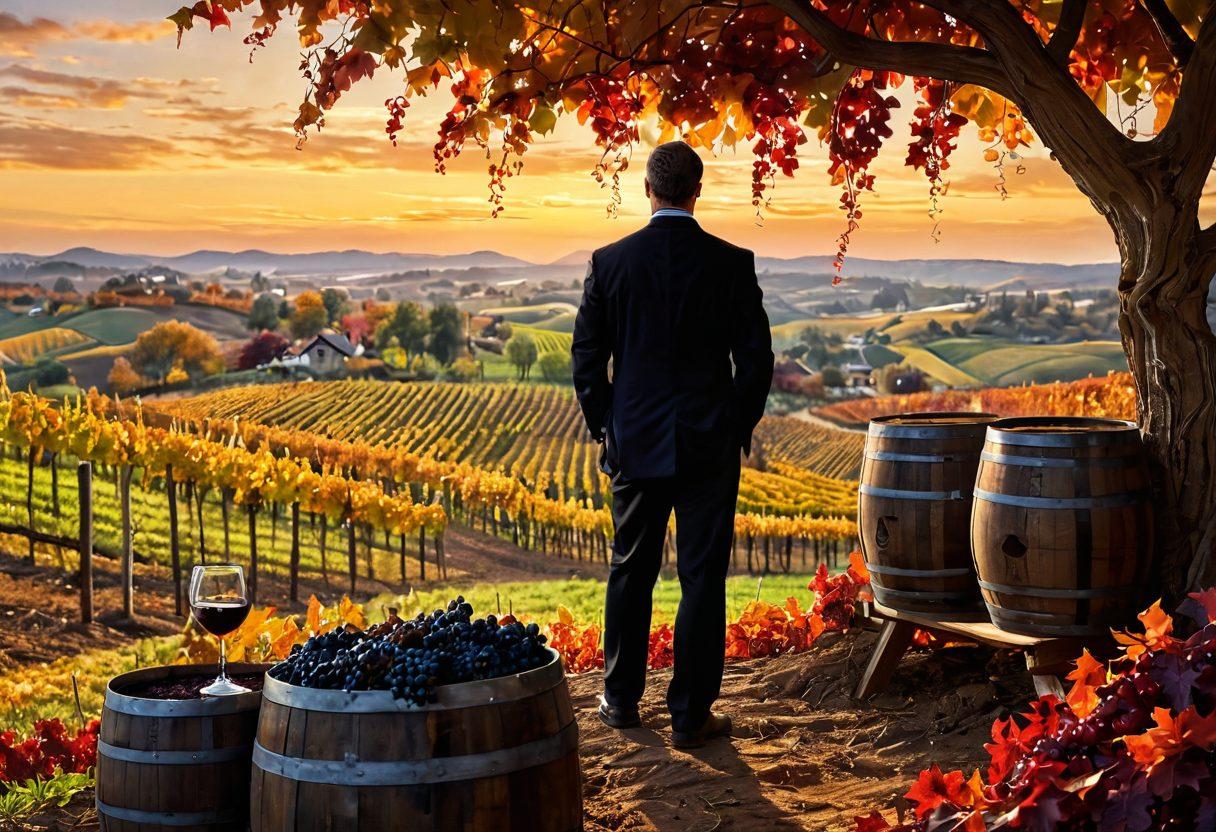
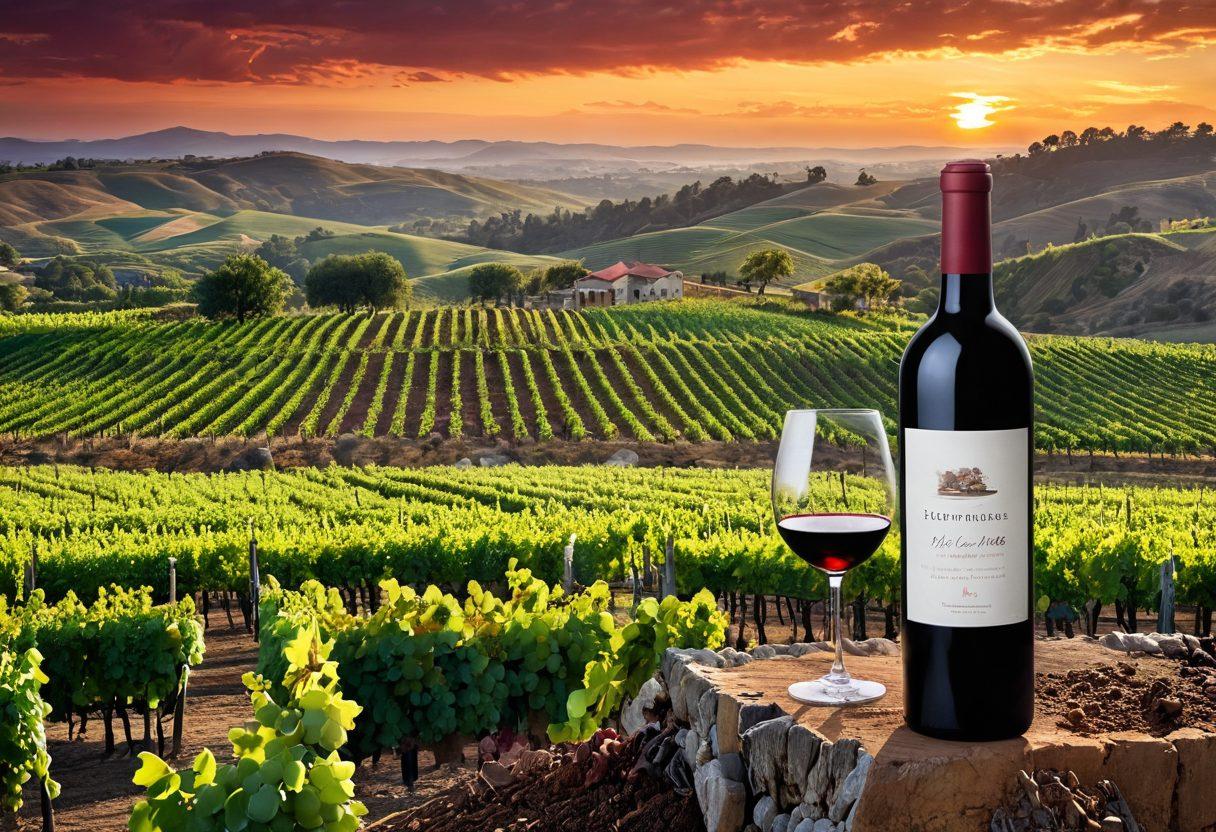
As a sommelier, one learns that the process of oenology goes beyond just tasting and serving wine; it’s also about understanding the elements at play in the vineyard. Imagine walking through a sun-drenched vineyard, the aroma of earth and grapes mingling in the air. This setting isn’t just picturesque; it’s a testament to what terroir can do. Terroir includes climate, topography, and soil composition—all of which combine to create distinct characteristics that bring out the best in both red wine and white wine, making each vintage a story unto itself.
Consider a simple question: what makes a glass of wine exceptional? Is it solely the type of grape? Not entirely. The nuances of flavor profiles emerge from the synergy between the soil, climate, and diligent winemaking practices. Picture a sparkling wine that dances on your palate while a rich, velvety red wine warms your soul. It’s these experiences, enhanced by a winemaker’s understanding of terroir, that transforms winemaking into an art form, one that can even influence your health in small doses!
Let’s not overlook how wine culture elevates our appreciation for these beverages. Wine events like wine festivals and wine tourism trips expose enthusiasts to the diverse expressions of terroir and flavor profiles across the globe. There’s nothing quite like mingling with fellow wine lovers at these vibrant events, tasting local vintages while learning from knowledgeable wine guides. Conversations flourish, laughter fills the air, and you walk away with new insights and a deeper appreciation for the craft of winemaking—and perhaps even a new favorite vintage!
So, how can you become a connoisseur who appreciates the layers of terroir in each bottle? Start by engaging with wine education resources, such as reading intuitive wine blogs or exploring local wine cellars. Curate your wine storage thoughtfully, and don’t hesitate to plunge into tastings of varietals from different regions, from dry rosé to robust red. As a part of your journey, remember the wisdom of vintage: True enjoyment of wine comes not just from sipping but from understanding the careful craftsmanship behind it. Cheers to the journey ahead!
From Old World to New: Exploring the Role of Terroir in Your Favorite Vintages
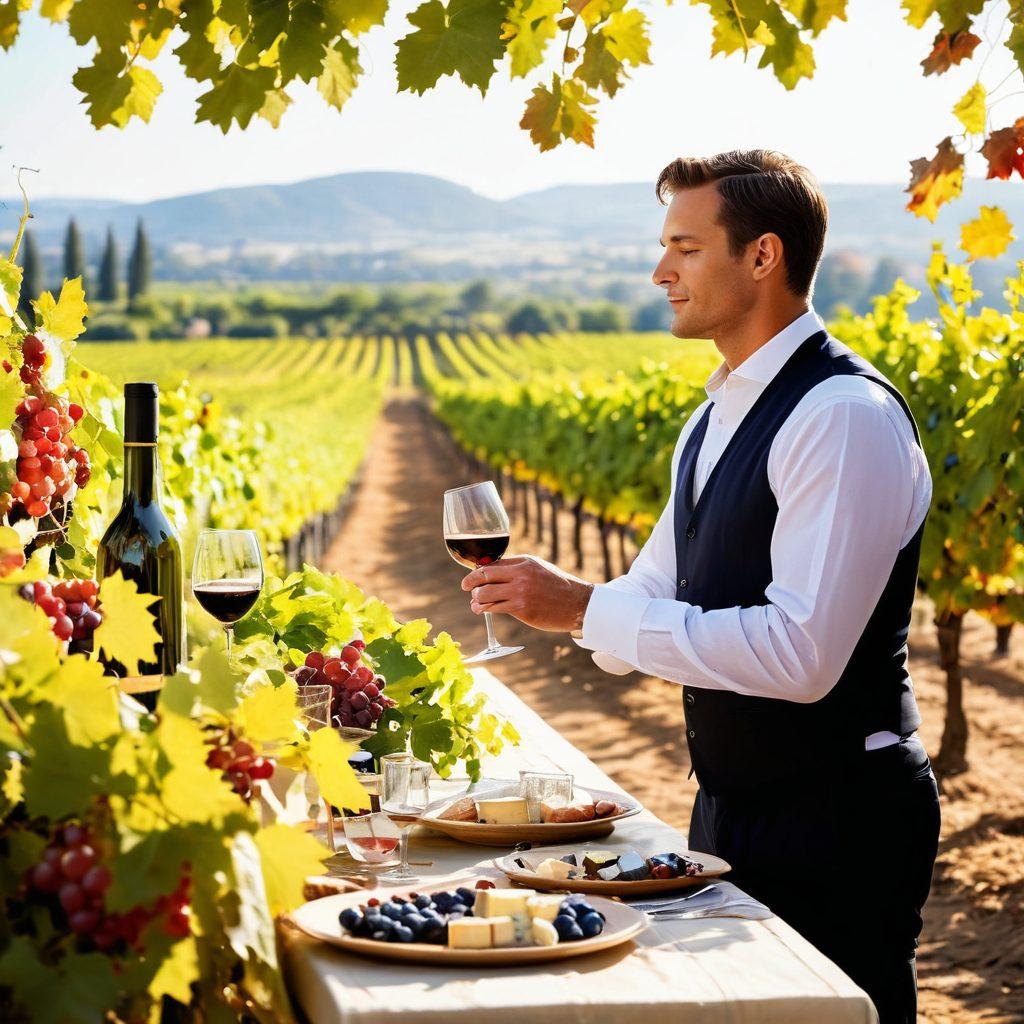
Imagine standing in a sun-drenched vineyard, the gentle rustle of leaves surrounding you while you savor the rich aroma of ripe grapes just waiting to be harvested. It’s in this enchanting realm of winemaking that we encounter terroir—the unique character of the environment that imparts distinct flavors and qualities to each grape and, ultimately, the wine itself. From Old World classics to New World innovations, terroir plays a pivotal role in the overall experience of our favorite vintages. Have you ever wondered how the soil, climate, and even the winemaker's philosophy shape the wines you enjoy? Let's delve into this captivating journey of wine culture together!
To truly appreciate the significance of terroir, one must first understand the concept itself. Terroir encompasses a myriad of influences, from the composition of the soil to the microclimate in which the grapes are grown. Old World wines, like the esteemed Bordeaux or Burgundy regions, showcase terroir as a point of pride, where centuries-old traditions and specific climate conditions contribute to an intricate flavor profile. Contrast this with New World wines, where innovation and diverse terroirs are often highlighted. Whether you prefer a robust red wine or a crisp white wine, the terroir’s fingerprints are always there, waiting to be discovered by curious palates. This organic connection to nature is what makes oenology a truly enchanting field for sommeliers and wine enthusiasts alike.
As we explore the fascinating world of terroir, it’s essential to acknowledge how different factors impact the grapes. Have you ever tasted a sparkling wine that whisked you away to the elegance of the Champagne region? This captivating experience is the result of specific geology and climate working in harmony with traditional winemaking techniques. On the other hand, New World wines frequently break these mold while expressing their own terroir, offering adventurous flavors and styles that keep the wine events exciting and fresh. With wine tourism on the rise, travelers can immerse themselves in the essence of terroir, discovering how wine cellars curate vintages that reflect their unique landscapes.
The intertwined stories of the grape and its surroundings highlight just how significant terroir is in our wine education journey. Each vintage tells a tale, unlocking the secrets of its environment and crafting complex flavor profiles that change with every season. From the richness of a full-bodied rose wine to the delicate balance of a crisp white wine, these wines narrate the epic stories of the places they hail from. So next time you uncork a bottle from your collection—or even explore a wine blog—take a moment to appreciate the terroir behind your chosen glass. What does it tell you about the people crafting these marvelous blends?
Finally, let’s talk about the health benefits of wine, particularly when enjoyed mindfully as part of a balanced lifestyle. Red wine, celebrated for its antioxidants, can enhance heart health when consumed in moderation. Understanding terroir deepens your appreciation, connecting you with the soil and craft of the vineyard. Wine festivals and wine guides are excellent opportunities to learn more about these elements while tasting and relishing unique vintages. So join me in an odyssey of flavors, feel the pulse of the land in each glass, and savor the indulgent artistry of winemaking, from Old World roots to New World innovation. Raise a glass: cheers to your next vintage adventure!
Mastering Oenology: Tips for Sommeliers on Wine Tours, Festivals, and Cellar Selection
Wine is more than just a beverage; it is an intricate tapestry woven with history, culture, and the faint whispers of the land. As a sommelier, each time you pour a glass, you’re not just serving a drink; you're sharing a story, a vintage, a unique terroir that reflects the essence of its origins. When you think about wine tourism, wine festivals, or even the art of selecting the right wine from a cellar, you are standing at the crossroads of education and experience. How can sommeliers craft the perfect vintage not just for themselves but for those they share it with? Let’s delve into the world of oenology and explore how to elevate our wine experiences.
Understanding terroir is crucial for any sommelier looking to master their craft. Terroir encompasses the geography, geology, and climatology that contribute to the unique characteristics of a grape and, consequently, the wine produced from it. Factors like soil composition and climate profoundly affect flavor profiles. For example, the bold richness of a New World Cabernet Sauvignon can differ dramatically from the nuanced elegance found in an Old World Bordeaux. As you navigate through wine events or festivals, consider how these regional differences affect selections. This understanding empowers you to make recommendations that resonate with the individual palette of your clientele.
When discussing wine education, it’s vital to embrace storytelling as a part of your presentations. Instead of just listing the credentials of a wine or its grape variety, share anecdotes about its heritage—like the traditions behind sparkling wine production in the Champagne region or the environmental challenges faced by vineyards in warmer climates. This can create a fascinating dialogue around the experience of wine drinking. Consider asking your audience engaging questions, such as, 'What memories does a particular vintage evoke for you?' These little interactions not only foster a connection but also encourage exploration.
One cannot discuss masterful oenology without touching on the art of selecting wines from a cellar. Having a well-curated wine cellar is essential for any sommelier. Developing a selection that ranges from robust reds to crisp whites, and even luscious rosés requires a keen understanding of not just the wines available but also their optimal storage conditions. Maintaining ideal temperature and humidity levels is key to preserving those complex flavor profiles. So, as you prepare for wine tourism ventures, consider how your wine storage practices influence the integrity of the wines you serve. Remember, the right storage can turn an ordinary vintage into something extraordinary when it reaches the glass.
Lastly, as we celebrate the wine culture that ties us all together, never forget the health benefits that come from moderate consumption. Studies have shown that red wine, with its antioxidants, can offer certain health perks. Sharing this insightful knowledge during wine education sessions not only adds depth to your presentations but also creates a more responsible approach to wine enjoyment. So, whether you are attending a lavish wine festival or leading a workshop on winemaking, make it a priority to showcase the multifaceted world of wine while enjoying each sip. There’s always something more to learn, so keep exploring, keep tasting, and above all, keep sharing.